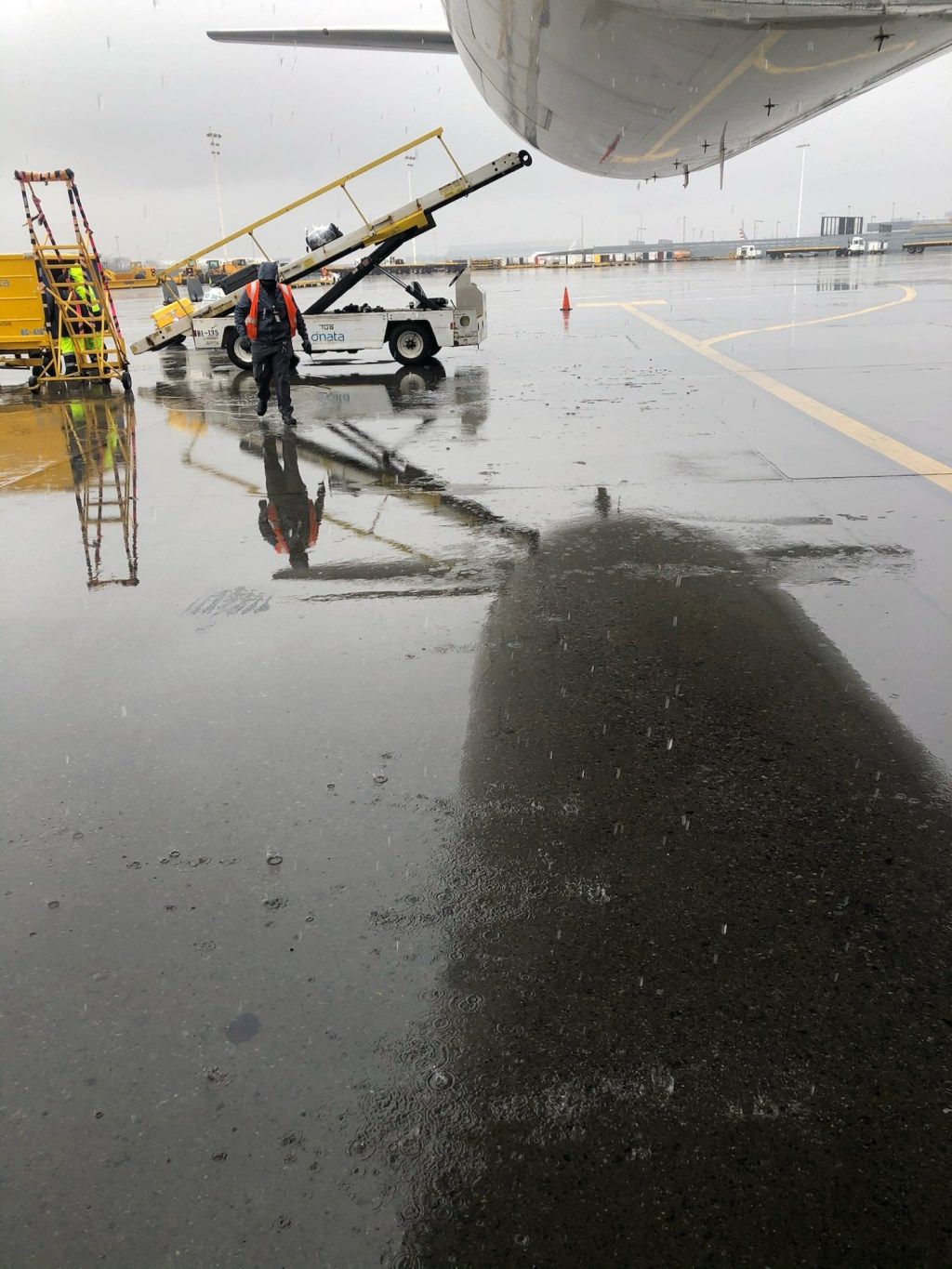
It wasn’t weather. It wasn’t maintenance. It wasn’t a client.
It was two of my own people.
Mid-shift, I could feel the tension building. Short responses over the radio. Passive comments. A disagreement about how a release was handled that turned personal.
Operations were still moving. Flights weren’t delayed. But culture was taking a hit.
I had two choices. Let it cool off on its own and hope professionalism won. Or step in before friction turned into division.
I stepped in.
First, I separated them. Not dramatically. Just enough space to reset the temperature. Then I spoke to each one individually.
Not to decide who was right.
To understand what happened.
Both had valid points. One felt overruled. The other felt second-guessed in front of the team. The real issue wasn’t the release. It was respect.
After hearing both sides, I brought them together.
I didn’t referee the argument. I reframed it.
“We can disagree on process. We can’t undermine each other in front of the team.”
Silence.
Then I made it clear: strong teams debate privately and align publicly. If there’s a disagreement, bring it to me. But once a decision is made, we move as one.
They shook hands. It wasn’t dramatic. No big speech. Just clarity.
The shift finished smoothly.
Here’s the leadership lesson.
Conflict isn’t the problem. Avoidance is.
If you let small tension linger, it spreads quietly. If you address it early, you protect the standard.
Leadership isn’t just about making operational calls. It’s about protecting the environment your team operates in.
Because culture, like safety, is built in the moments no one else sees.
 Leadership Lessons Forged on the Aviation Front Lines
Leave a comment